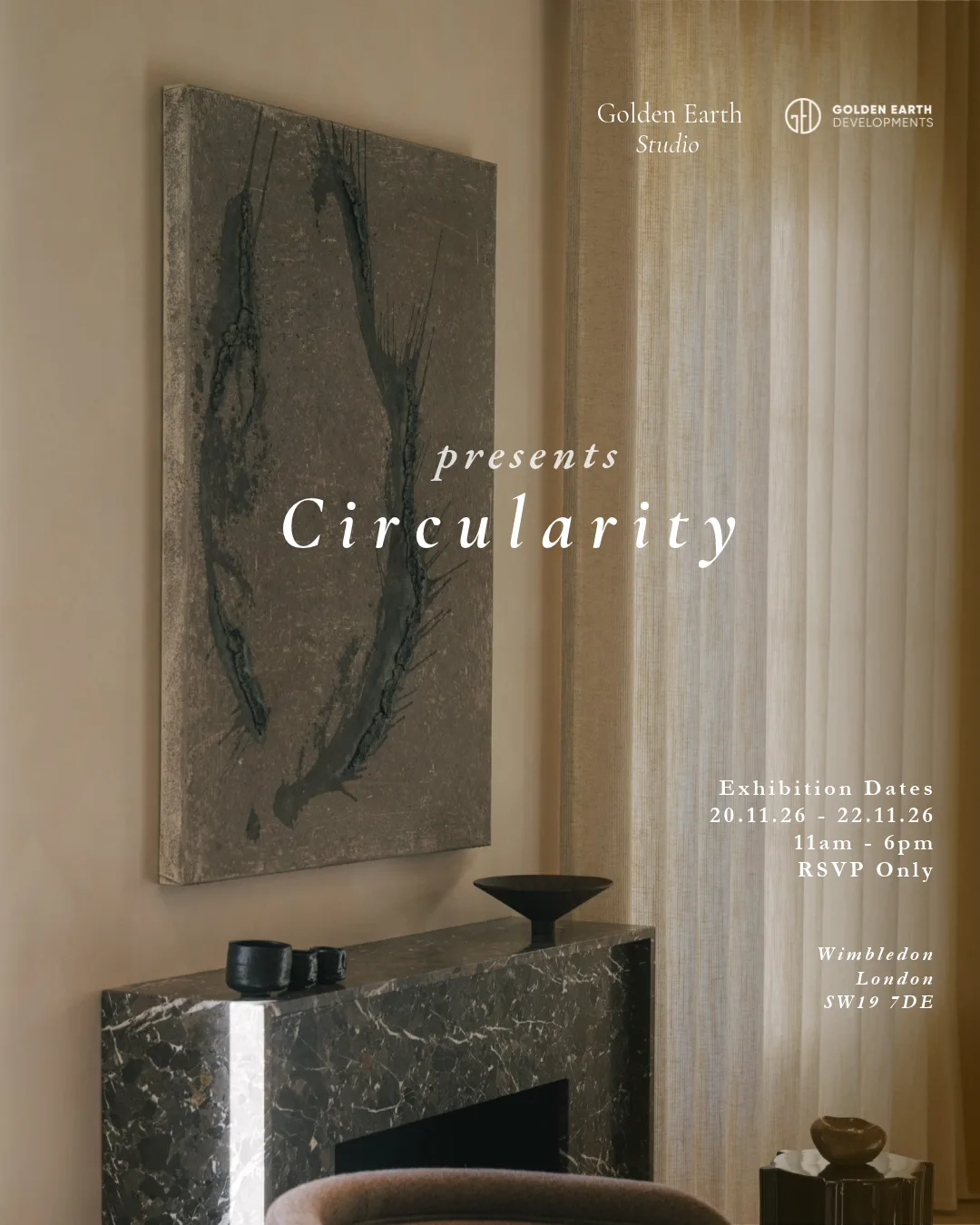
Circularity Exhibition
18 | 11 | 2026
An exhibition showcasing how construction waste can be transformed into fine art. Circularity, by Golden Earth Studio, presents contemporary works made from excavated London clay and other construction by-products, displayed in the very homes they helped create: Wimbledon Walled Villas, the newly completed luxury residences by Golden Earth Developments, with interiors by Gunter & Co.
20 to 22 November 2026 | Wimbledon, London
What if the waste from building a home could become the most beautiful part of its story? For three days in November, Circularity opens the doors of Wimbledon Walled Villas, the newly completed pair of luxury residences by Golden Earth Developments, to reveal a collection of artworks curated by Golden Earth Studio for the finished homes, each made from material that was destined to be thrown away. At its heart is a monumental rammed-earth triptych, made of the very clay dug out to create the basement in which it now stands. Throughout the house carefully curated sculpture and wall works drawn from the clay, stone, timber and metal required to build the villas uncover the beauty hidden within what construction discards, and make tangible the connection between the materials that shaped the homes and the art that now inhabits them.
Taking place from 20 to 22 November 2026, the exhibition unfolds throughout West Villa, offering visitors the chance to discover the completed residence alongside works that respond to its origins, architecture and landscape.
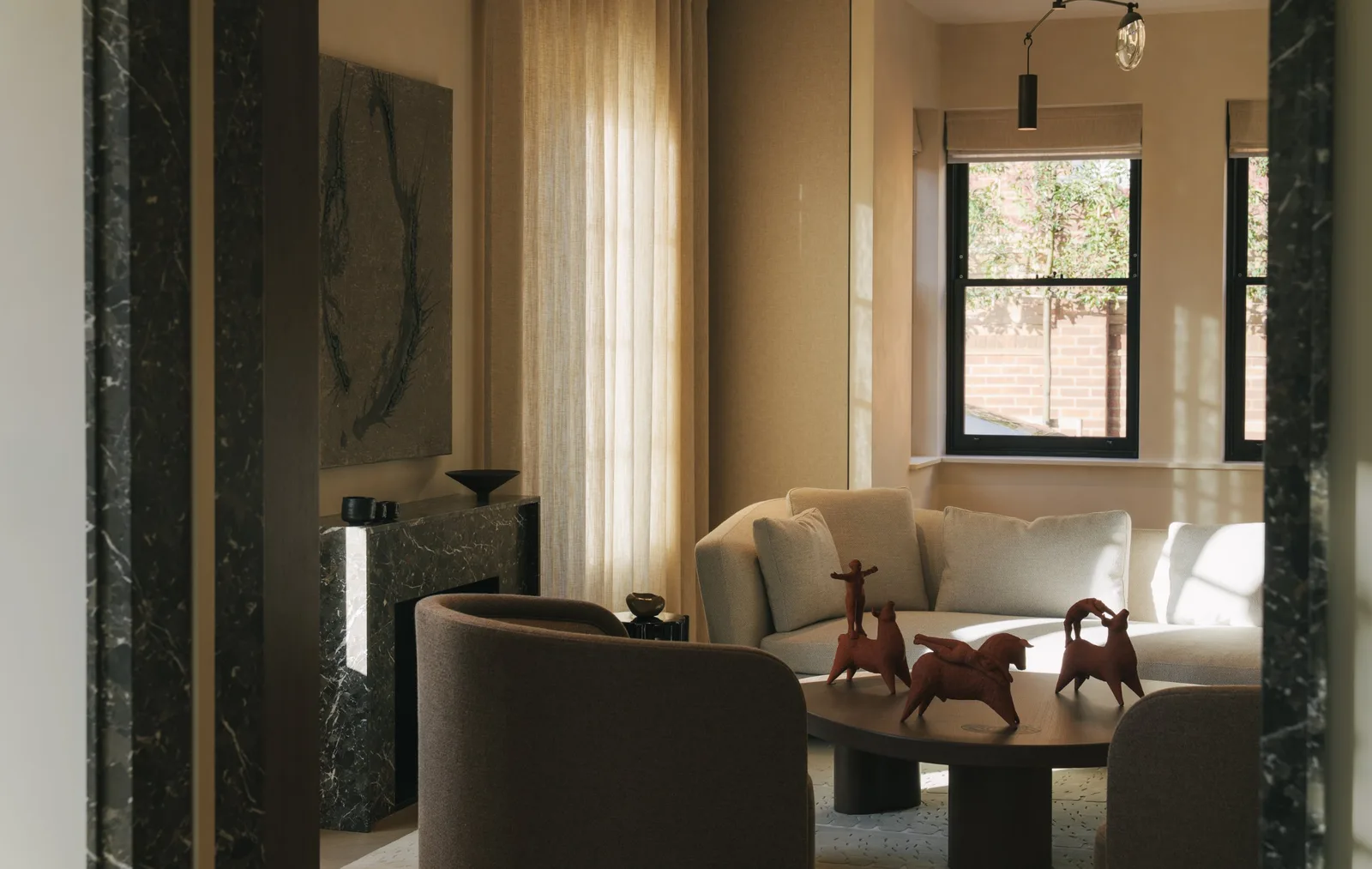
Eleanor Herbosch (Unearthing Series), Shiro Shimizu (Tea Bowls), Louis Vincent (Conical Bowl), Zahed Tajeddin (Beauty and the Beast, Bull Leaping II, Bull’s Matter).
“Each artwork tells a story of the creation and legacy of the built environment,” Gabriel Lau, Founder and Creative Director of Golden Earth Developments and Co-founder of Golden Earth Studio, adds. “They are connected to the Villas in the most literal sense: they only exist because the Villas do. This is a story of circularity, and of art as a form of messaging. What was destined to be discarded as waste has been reinstalled as high-value art in the very place from which it was displaced, giving families an enduring connection to the journey of building their home. You could say the works have an unbroken provenance. They are not decoration chosen for the Villas; they are of the Villas, not merely in them.”
Five wall-based artworks, including pieces by Eleanor Herbosch, Alexandra Wong and Adam Weismann, have already been acquired by the new owners and will reside permanently within the completed homes. Among the central works is a rammed-earth triptych by Adam Weismann, created from the site’s own clay, its bands of colour retracing the ground that was lifted away to make room for it. The work and the room are inseparable: one had to be hollowed out for the other to exist, and the earth has come home to the space it once filled.
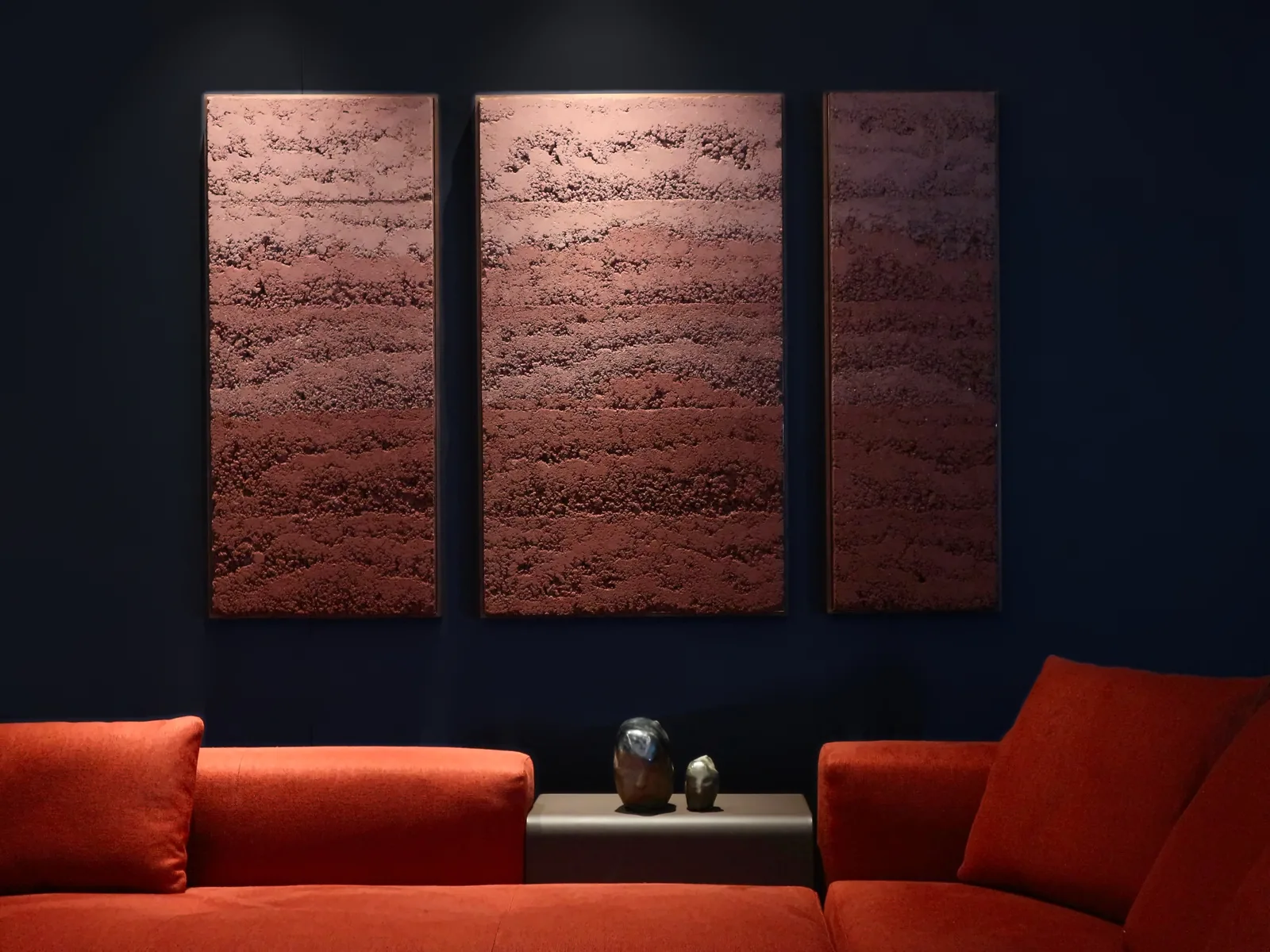
Adam Weismann (Red Earth), Arran Gregory (Inbetween Worlds, All Our Gods Are Dancing Gods).
The artworks extend throughout the living spaces. In the dining room, a tablescape is laid with plates and vessels thrown from the clay excavated to form the foundations and basement, and cutlery forged from scrap metal salvaged from steel sinks when the previous building came down. In the games room, a chess set has a board of stone off-cuts from the entrance hall and bar, framed in salvaged timber, and pieces hand-sculpted from the clay beneath the home. Both are playful nods to the oldest of human habits: across every culture and civilisation, the pots that fed a household and the games that filled its evenings were made from whatever the land offered.
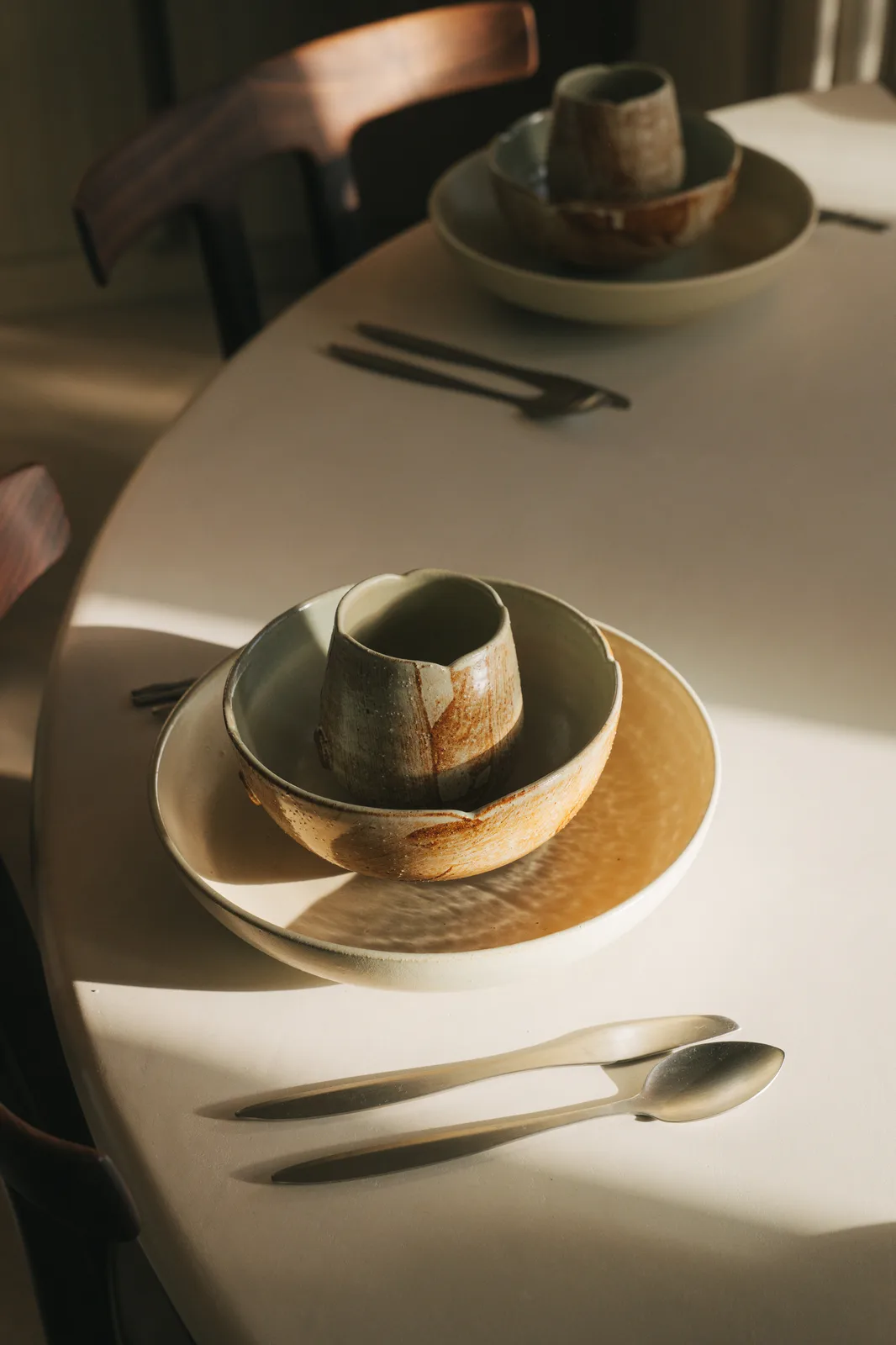
Jacob Chan (Lotus Set), Rickie Cheuk (Cutlery Set and Chopsticks). Photography by Maddy Taylor.
During the early groundworks, thousands of tonnes of London clay were excavated for the villas’ basements and foundations, most of it destined for landfill. Since 2022 Golden Earth Studio has diverted material of this kind into the hands of students, artists and makers who wish to work with a sustainable, locally sourced resource, making it freely available for collection. Here the gallery’s own artists collected the raw clay, scrap metal and stone from the site and, in their own practices, transformed what would ordinarily be construction waste into the body of work now on show.
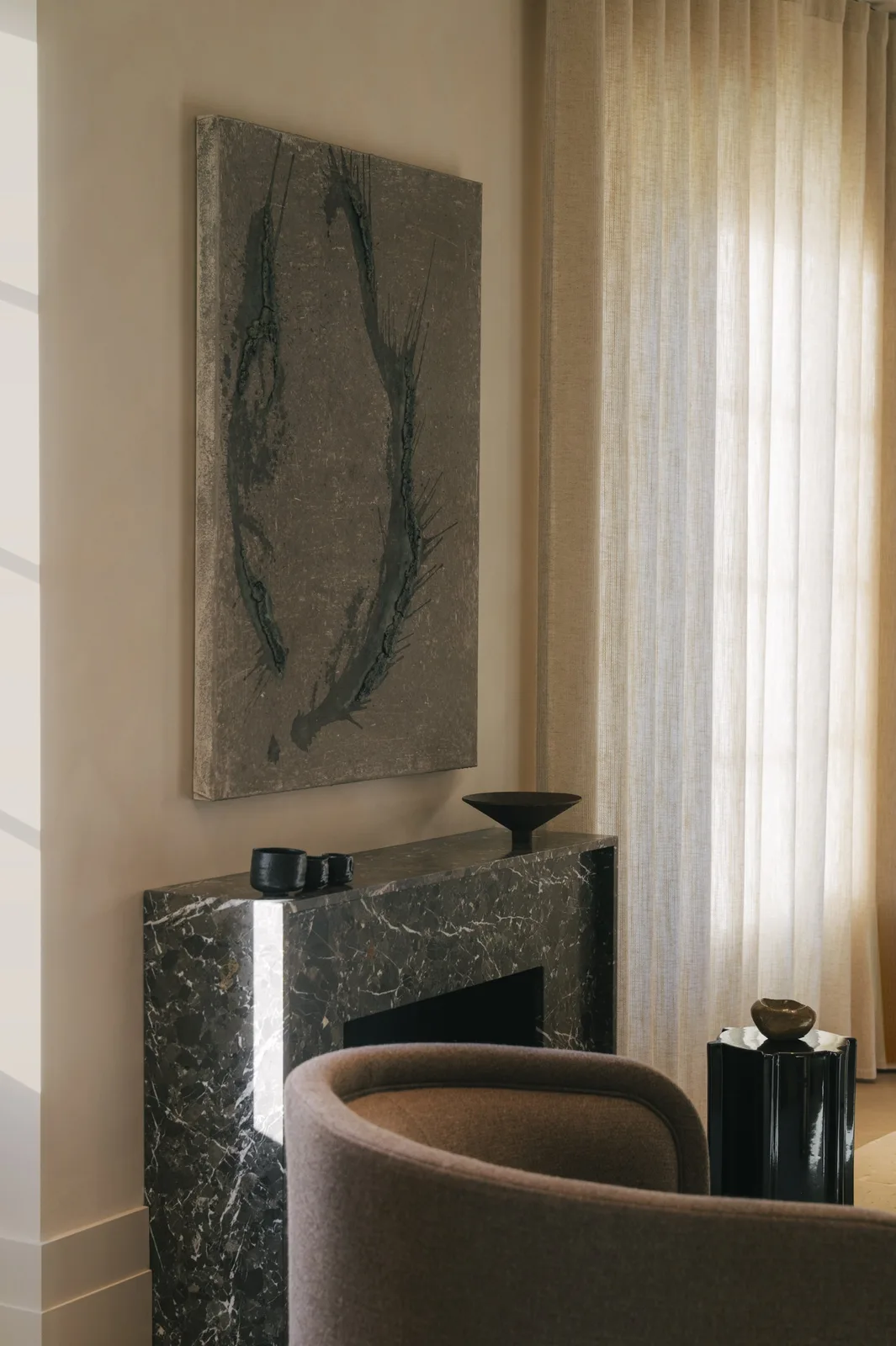
Eleanor Herbosch (Unearthing Series), Shiro Shimizu (Tea Bowls), Louis Vincent (Conical Bowl), Edie Evans (Bedrock).
Sara Howard, Co-founder of Golden Earth Studio, comments: “Beneath London lies a material the city has learned to overlook. Each new foundation brings London clay to the surface, only for it to be sent to landfill. The path from building site to studio is rarely straightforward: construction moves too quickly to reconsider what it removes, and few connections exist between those who excavate the clay and those who could give it new life. In the right hands, this overlooked earth can be transformed. Through this exhibition, artists and designers begin to reveal its potential, helping bring its value to light for architects, developers, policymakers and creatives alike.”
The exhibition also marks the completion of Wimbledon Walled Villas, a development shaped by a desire to create a contemporary interpretation of the London villa while respecting the history and character of its setting. Led by Gabriel Lau, the project comprises two individually landscaped residences designed to prioritise tranquillity, natural materials and a close connection to nature.
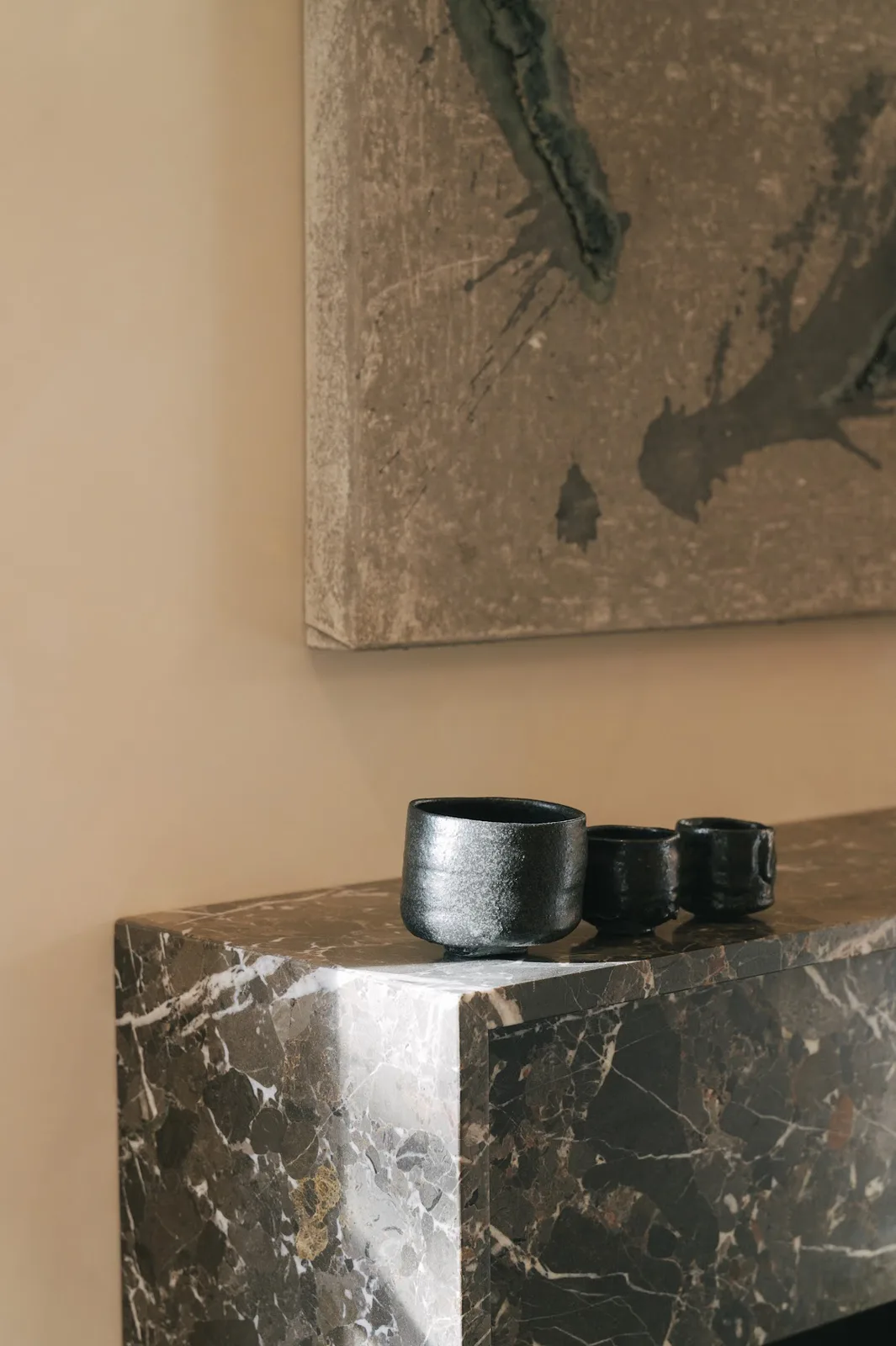
Shiro Shimizu (Tea Bowls), Eleanor Herbosch (Unearthing Series).
With interiors by award-winning interior designers Gunter & Co, architecture by award winning architects Brimelow McSweeney and gardens by RHS award-winning landscape designers Amelia Bouquet and Emilie Bausager, the villas take their cues from the neighbouring Queen Alexandra’s Court, the historic group of red-brick buildings designed by Ernest George and Yeates and opened by King Edward VII and Queen Alexandra in 1905. Brick and stone detailing establish a considered relationship with the historic estate, while generous proportions, tactile finishes and seven sets of French doors across the ground floor create a fluid connection between the interiors and gardens.
The brief for the Villas, Lau explains, stemmed from a line by the landscape architect Frederick Law Olmsted, who wrote that the enjoyment of scenery “tranquillises [the mind] and yet enlivens it” and gives “the effect of refreshing rest and reinvigoration to the whole system”.
“We wanted homes that calm you effortlessly,” he continues. “The tranquillity of the finest spa, except that it is your own home. The walls and gardens around us have stood for over a century, and we set out to build something that will feel as right in fifty years as it does today.”
For Lau, the development also carries a personal significance. Having attended primary school on the same road, he has a longstanding connection to the site and a desire to create something that would contribute positively to the locality. The result is a pair of contemporary homes conceived not simply as private residences, but as a lasting addition to the area’s architectural and social history.
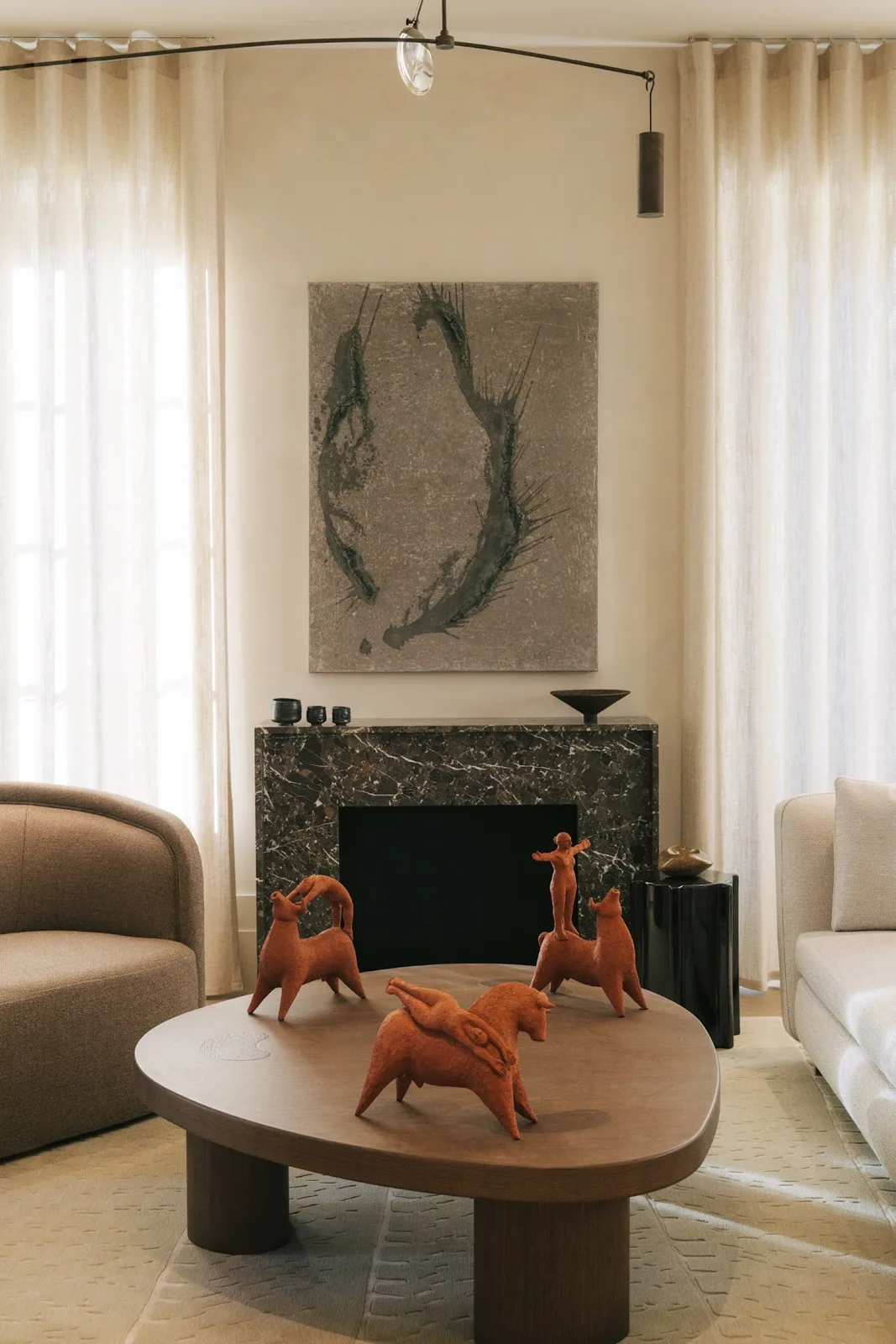
Zahed Tajeddin (Beauty and the Beast, Bull Leaping II, Bull’s Matter), Eleanor Herbosch (Unearthing Series), Shiro Shimizu (Tea Bowls), Louis Vincent (Conical Bowl), Edie Evans (Bedrock).
Art was integral to his vision from the outset. With Lau at the helm of both the developer and the gallery, Golden Earth Developments and Golden Earth Studio worked together to curate artworks for the villas, and the strength of that vision was such that when both owners acquired the homes off-plan earlier this year, they took the homes, their interior furnishings and the art programme together.
Through Circularity, Golden Earth Studio invites visitors to reconsider the value of materials often dismissed as waste, and to discover how art can create a lasting connection between a building, its location and the people who live in it. The exhibition celebrates not only the completion of Wimbledon Walled Villas, but what becomes possible when architecture, interior design, material reuse and contemporary art are treated as one creative process.